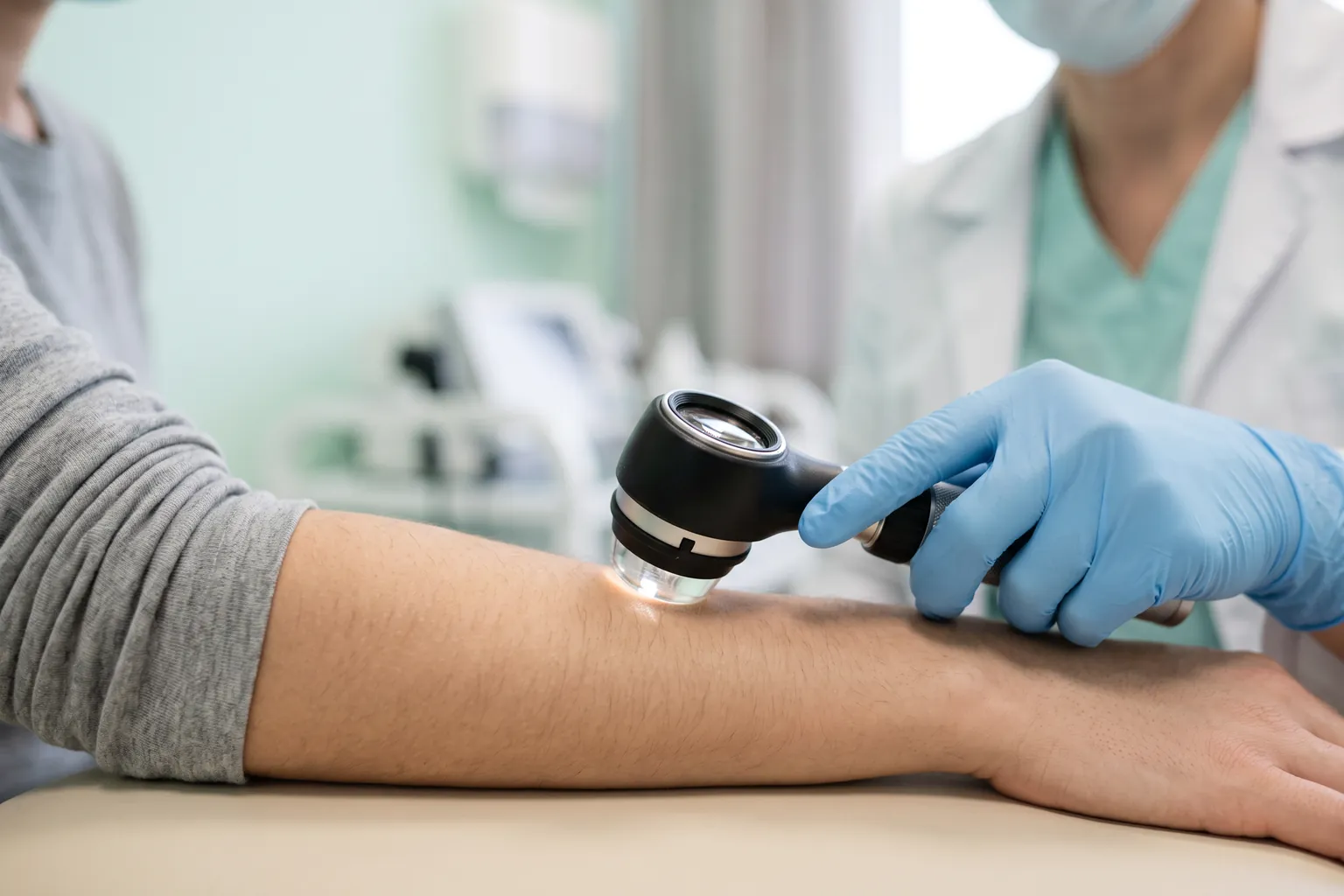
Which physicians refer to dermatology trials?
- Dermatologists, who diagnose and grade severity for most patients.
- Allergists and immunologists, especially for atopic dermatitis.
- Pediatricians and pediatric dermatologists, for pediatric studies.
- Primary care physicians, who manage milder disease and may not know when a patient qualifies.
What makes dermatology referrals qualify?
Most screen failures come from criteria the referring physician could have checked. Across all therapeutic areas, Tufts CSDD puts the average screen failure rate at 36.3% (Tufts CSDD). In dermatology, the deciding criteria are usually visible to the physician already:
- Disease severity and body surface area thresholds.
- Prior systemic or biologic therapy requirements and washout periods.
- Age limits for adult or pediatric studies.
Put those in the first lines of the summary so dermatologists can match patients in seconds.
Why does speed matter in dermatology trials?
Tufts CSDD found dermatology among the therapeutic areas with the highest relative daily direct costs in Phase II and III trials (PubMed). Every week of slow enrollment is expensive for the sponsor, which makes a site that brings in qualified patients quickly more valuable.
What do dermatologists need from the site?
The same things all referring physicians need: study information and time. Physicians name missing information and time as the main reasons they do not refer (Tufts CSDD). A clear one page summary and a direct coordinator contact address both.
What should a dermatology outreach plan include?
- The core specialists and relevant primary care physicians within realistic driving distance of the site.
- A one page summary with the diagnosis requirements, key exclusions, procedures, and visit schedule.
- A named coordinator contact, and a commitment to report back on every referral.
- Follow up by email and LinkedIn, prioritizing physicians who engaged.
See referral strategy by therapeutic area for other conditions.
Get your study in front of the right local physicians
TrialNotice builds a physician referral pipeline around one active study. We identify relevant local physicians within driving distance of your site, send study aligned direct mail, follow up by email and LinkedIn, track engagement with recipient level QR codes, and route warm responses into your site team's workflow.
Talk to TrialNotice