What did FDA say?
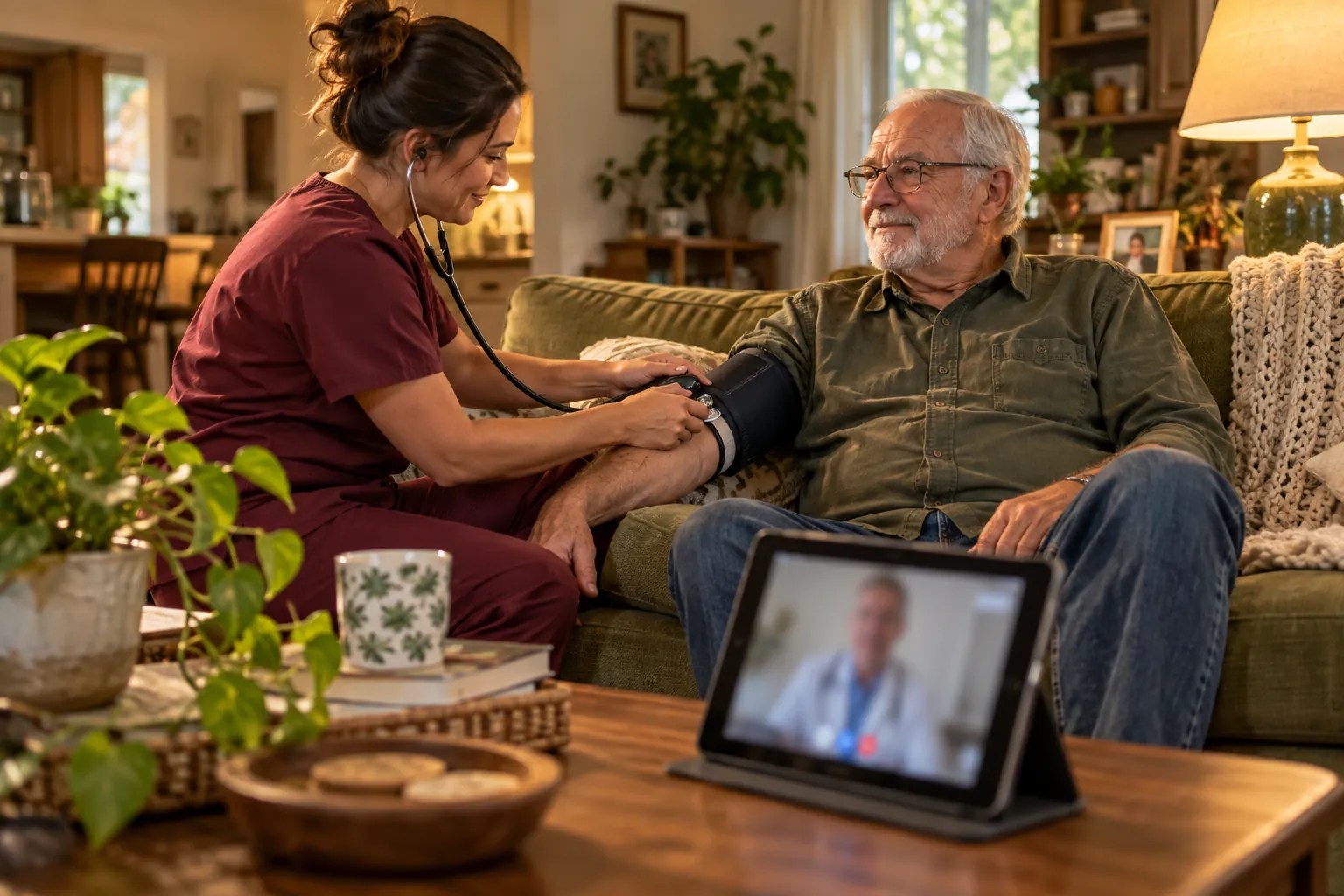
FDA announced final guidance, "Conducting Clinical Trials With Decentralized Elements," in the Federal Register on September 18, 2024 (Federal Register). It covers telehealth, in person visits at home or alternate locations, local health care providers, digital health technologies, and investigational products delivered to participants.
What stays the same for investigators?
- Investigators remain responsible for participant rights, safety, and delegated tasks; remote consent is allowed, but obtaining consent stays with the investigator (Freyr Solutions).
- Investigators should designate a location where FDA can inspect records (Freyr Solutions).
- Sponsor responsibilities are the same as in traditional trials (Duane Morris).
What changes?
- Local providers: investigators may delegate certain activities to local health care providers, and providers doing routine clinical practice, such as vitals or physical exams, are not considered investigators (Duane Morris).
- Research specific tasks requiring protocol expertise still need trained trial staff (Freyr Solutions).
- Safety plans must define how remote providers and participants report problems (Freyr Solutions).
FDA also noted that many trials already include decentralized elements (Duane Morris).
Is decentralization a threat to sites?
Mostly not. Investigators keep core oversight and consent responsibilities, so trials still need sites. What changes is geography: a hybrid study can enroll patients who live farther away, with some visits done locally.
How do sites benefit?
Wider reach means a wider referral area. A site running a hybrid study can accept referrals from physicians an hour or more away, because the patient will not travel for every visit. Extending physician outreach to that wider radius is how sites turn hybrid designs into more enrolled patients.
Get your study in front of the right local physicians
TrialNotice builds a physician referral pipeline around one active study. We identify relevant local physicians within driving distance of your site, send study aligned direct mail, follow up by email and LinkedIn, track engagement with recipient level QR codes, and route warm responses into your site team's workflow.
Talk to TrialNotice